Part 61 or Part 141? What it means for how you will train
Vortex Flight School is a Part 61 school. The certificate you earn is identical either way — what changes is whether the syllabus bends around your week or you bend around its schedule.
By Vortex Flight School
Vortex Flight School trains under Part 61. The practical difference is this: a Part 141 school runs an FAA-approved course on a fixed schedule and you keep up with it, while a Part 61 school builds the training around you. The certificate you are issued at the end is exactly the same document. So is the checkride, and so is the examiner.
What Part 61 changes day to day
You fly when you can fly. Vortex flies seven days a week and the instructors keep their calendars flexible, which is the whole reason the school works for people holding down a full-time job or still in school. You can take lessons on a weekday evening, stack two on a Saturday, or pause for a month when work demands it and pick up where you left off. A certificate has no expiry date.
You also fly with the same instructor lesson to lesson rather than whoever is free. That matters most in the stretch between your first lesson and your first solo, where consistency in the right-hand seat is worth real hours.
What it does not change
Part 61 is not a shortcut and it is not a lighter standard. The written exam, the practical test standards and the minimum aeronautical experience in the regulations all apply to you exactly as they apply to a Part 141 student.
It is also not automatically cheaper. What makes training cheaper is frequency — flying often enough that each lesson builds on the last instead of re-teaching it. Part 61 gives you the freedom to fly three times a week; it does not make you do it. Students who use that freedom finish sooner and spend less. Students who book one lesson a month spend the first twenty minutes of every flight catching up with themselves.
Where the aeroplanes come in
The Vortex fleet covers the whole path, which means changing schools is not part of the plan:
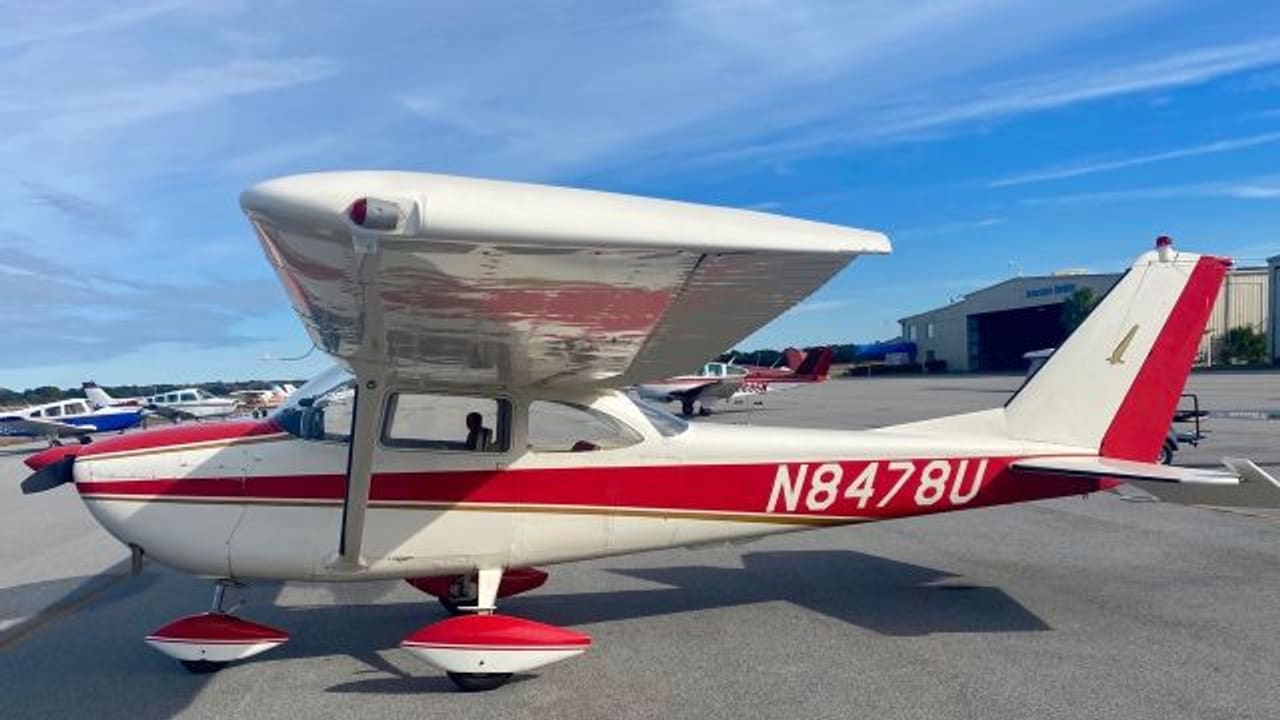
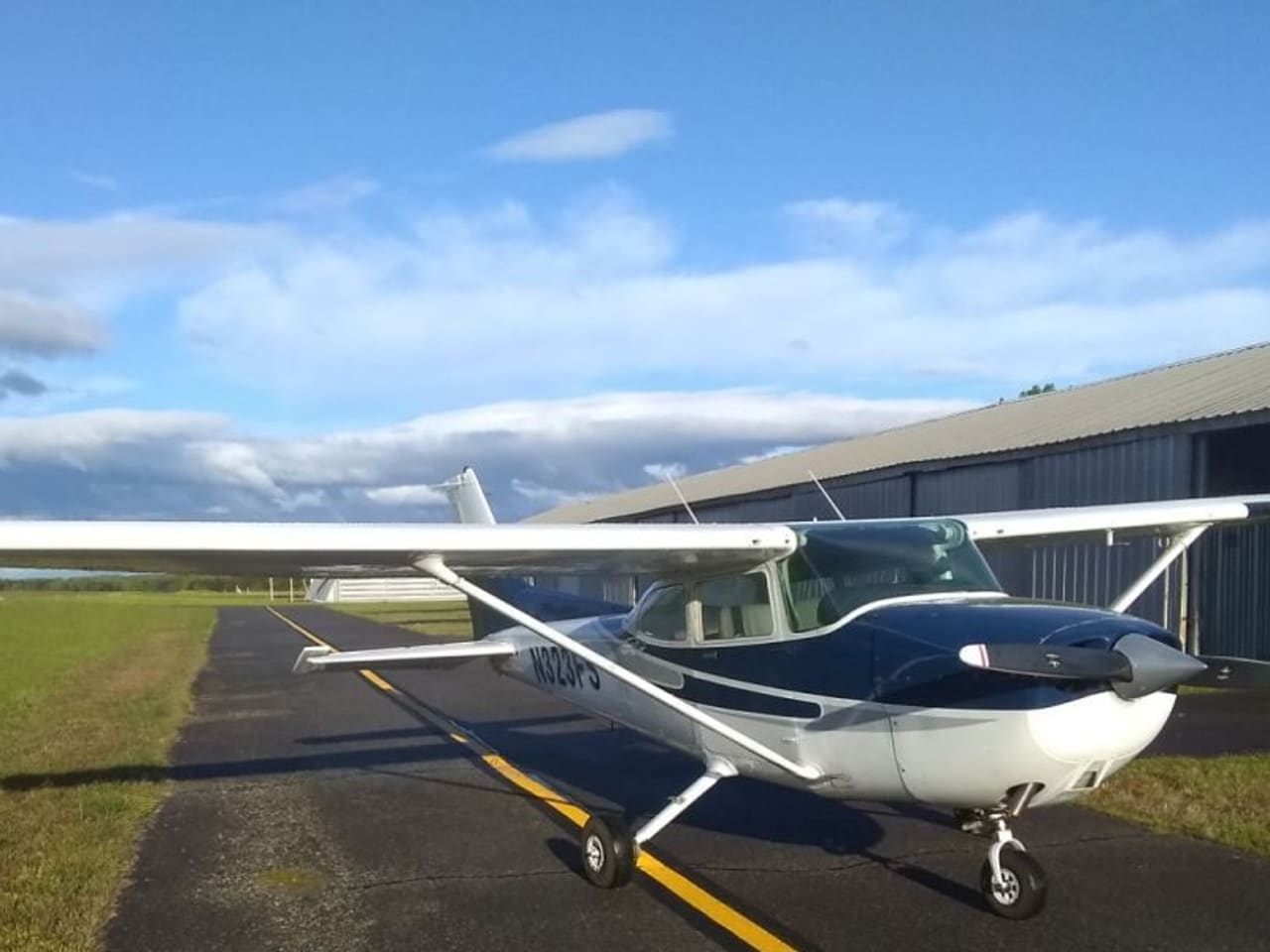
- Three Cessna 172 Skyhawks for primary and instrument work. N7843U, a 172F, carries IFR-certified avionics with a dual-stack radio and navigation system; N323FS is fully instrument certified.
- A technically advanced Cherokee 180 with dual Garmin G3X displays and a fully integrated autopilot, for instrument and commercial students.
- A Citabria 7KCAB for tailwheel, spin and aerobatic training.
Private, Instrument, Commercial, CFI and CFII all happen in the same place, with the same people.
One thing to start early
You do not need a medical certificate for a Discovery Flight — you can fly that today. You will need at least a third-class FAA medical before you fly solo, so it is worth beginning that process early rather than discovering a problem twenty hours in. Your instructor can point you at an Aviation Medical Examiner near Louisa.
Questions about where you would fit? Call 540-767-5049, or see what training here involves.